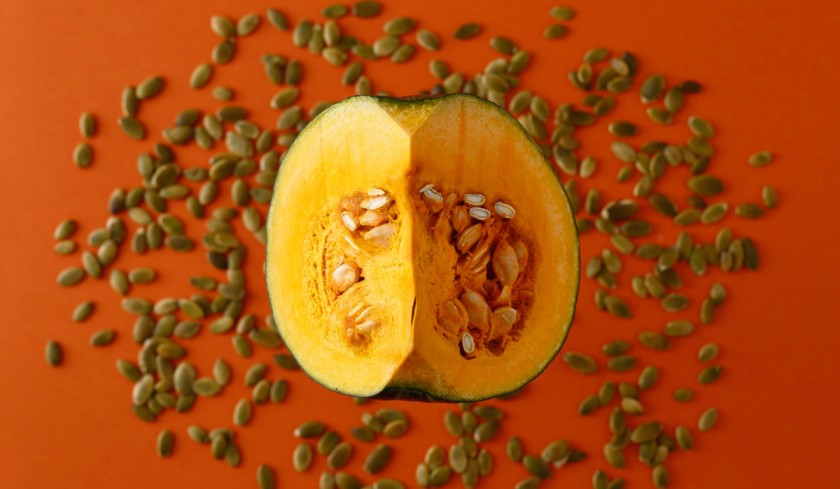
Pumpkin seeds, often called “pepitas,” have become one of the most popular superfoods around the world. These small green seeds offer big nutritional value, making them one of the easiest and healthiest foods you can add to your daily routine. Loaded with protein, fiber, healthy fats, antioxidants, and essential minerals, pumpkin seeds support your overall well-being in ways many people don’t realize.
In this detailed, easy-to-read, and SEO-friendly guide, we will explore the top pumpkin seeds benefits, their nutritional power, how they improve different parts of your health, and how you can include them in your diet. Whether you’re interested in heart health, better sleep, immunity, or weight management, pumpkin seeds offer something for everyone.
What Makes Pumpkin Seeds So Nutritious?
Pumpkin seeds may look small, but they contain a rich blend of nutrients that help support the body. A small handful of seeds contains:
- Plant-based protein
- Healthy fats (including omega-3 and omega-6)
- Dietary fiber
- Magnesium
- Zinc
- Iron
- Potassium
- Copper
- Manganese
- Antioxidants
This combination makes pumpkin seeds a nutritional powerhouse, offering benefits for the heart, brain, digestion, immune system, and more.
Top Pumpkin Seeds Benefits
Let’s explore the major benefits of pumpkin seeds and why you should make them a regular part of your diet.
1. Pumpkin Seeds Support Heart Health
Pumpkin seeds are excellent for heart health because of their magnesium, antioxidants, and healthy fats. Magnesium helps regulate blood pressure, supports steady heart rhythm, and promotes proper muscle and nerve function. Healthy fats help lower bad cholesterol and increase good cholesterol, reducing the risk of heart-related problems.
Antioxidants also protect the heart from oxidative stress and inflammation, keeping the cardiovascular system strong and healthy.
Key Benefit: Helps maintain healthy heart function and supports long-term cardiovascular wellness.
2. Boosts Immunity Naturally
Pumpkin seeds are rich in zinc, iron, and antioxidants — all of which play a crucial role in strengthening the immune system. Zinc supports immune cell function, fights infections, and promotes wound healing. Iron helps carry oxygen throughout the body, while antioxidants protect cells from damage.
Because of these nutrients, pumpkin seeds make an excellent daily snack for boosting natural immunity and maintaining overall health.
Key Benefit: Strengthens immune response and protects the body from illnesses.
3. Improves Sleep Quality
Pumpkin seeds contain tryptophan, an amino acid that the body converts into serotonin and melatonin — hormones that regulate mood and sleep. Eating a small number of pumpkin seeds before bed can help calm the nervous system and support deeper, more restful sleep.
Magnesium in pumpkin seeds also promotes relaxation and helps reduce muscle tension, making it easier to fall asleep.
Key Benefit: Naturally improves sleep quality and supports relaxation.
4. Promotes Healthy Digestion
Pumpkin seeds are an excellent source of dietary fiber. Fiber helps keep the digestive system clean and active, prevents constipation, and supports gut health. Regular consumption of fiber-rich foods like pumpkin seeds can also help reduce bloating and support healthier metabolism.
In addition, the healthy fats in pumpkin seeds help lubricate the digestive tract for smoother digestion.
Key Benefit: Supports digestion, gut health, and regular bowel movements.
5. Supports Weight Management
Pumpkin seeds make an ideal snack for weight management. Their combination of fiber, protein, and healthy fats helps you feel full for longer, reducing unnecessary hunger and preventing overeating. When you feel satisfied, you naturally avoid snacking on less healthy foods.
Adding pumpkin seeds to your meals can help stabilize blood sugar levels and improve metabolism, both of which support healthy weight loss.
Key Benefit: Helps control appetite and supports healthy weight management.
6. Enhances Hair and Skin Health
Pumpkin seeds contain antioxidants, omega-3 fatty acids, zinc, and vitamin E — all essential for healthy hair and glowing skin. Zinc helps reduce dandruff, strengthens hair follicles, and supports hair growth. Vitamin E and antioxidants protect the skin from UV damage and signs of aging.
Regular consumption of pumpkin seeds can improve skin elasticity, reduce dryness, and promote healthier, shinier hair.
Key Benefit: Promotes youthful skin and strengthens hair naturally.
7. Supports Prostate and Bladder Health
One of the most well-known pumpkin seeds benefits is their impact on men’s prostate health. Pumpkin seeds help reduce urinary symptoms associated with prostate enlargement and support overall urinary function. They also contain nutrients that support hormone balance, which is important for men’s reproductive health.
Pumpkin seed extract and pumpkin seed oil are often used to support bladder function and reduce nighttime urination.
Key Benefit: Promotes prostate health and supports urinary wellness.
8. Helps Regulate Blood Sugar Levels
Pumpkin seeds contain protein, fiber, and healthy fats — all of which slow digestion and prevent sudden spikes in blood sugar levels. This can be beneficial for people managing blood sugar issues.
Eating pumpkin seeds as part of meals helps maintain more stable energy levels and supports healthy insulin function.
Key Benefit: Supports stable blood sugar and helps prevent energy crashes.
9. Good for Brain Function and Mental Health
Pumpkin seeds provide nutrients that support brain health, including omega fats, magnesium, and antioxidants. These nutrients help improve memory, enhance learning, and support mental clarity.
Tryptophan also helps in balancing mood, reducing anxiety, and promoting emotional well-being.
Key Benefit: Supports memory, mood stability, and overall brain performance.
10. Rich in Antioxidants for Full-Body Wellness
Pumpkin seeds contain antioxidants such as carotenoids and vitamin E that protect cells from free radical damage. Antioxidants reduce inflammation, support healing, slow the aging process, and help prevent chronic diseases.
Because of their strong antioxidant profile, pumpkin seeds make an excellent addition to any healthy lifestyle.
Key Benefit: Reduces inflammation and promotes long-term health.
How to Add Pumpkin Seeds to Your Diet
Pumpkin seeds are extremely versatile. Here are simple, tasty ways to include them in your daily meals:
- Eat them raw as a snack
- Roast them with salt or spices
- Add to salads for a crunchy topping
- Sprinkle on oatmeal or yogurt
- Mix into smoothies
- Add to granola or trail mix
- Use them in baking (bread, muffins, cookies)
- Blend into sauces or pesto
- Add to rice bowls, soups, or stir-fries
Eating a small handful daily is enough to enjoy the benefits.
How Much Should You Eat?
A typical recommended serving is:
1 ounce (28 grams) or about ¼ cup per day
This is enough to give you the needed nutrients without adding too many calories.
Potential Side Effects (Rare but Possible)
Pumpkin seeds are generally safe for most people, but a few things should be kept in mind:
- Eating too many can cause digestive discomfort because of high fiber
- Salted or flavored varieties may contain excess sodium
- People with seed allergies should start with small quantities
- They are calorie-dense, so moderation is key
As long as you consume them in recommended amounts, pumpkin seeds are safe and highly beneficial.
Final Thoughts: Why Pumpkin Seeds Are Worth Adding to Your Diet
Pumpkin seeds are one of the easiest superfoods to include in your daily routine. They are small, tasty, affordable, and incredibly nutritious. Whether you’re aiming for better sleep, stronger immunity, glowing skin, heart health, or improved digestion, pumpkin seeds offer all these benefits in one natural package.
Their combination of protein, healthy fats, minerals, antioxidants, and fiber makes them a true powerhouse food. Adding just a handful to your diet can significantly improve your overall health and wellness.
Visit The Business Vision Magazine For More Articles